

Gaming has always involved money in one form or another. There’s no denying that the way people pay has changed dramatically.
There is no single payment model that fits every type of gaming. A casino slot works very differently from a console game. A free online title may depend on premium items rather than an upfront price. That variety has grown as gaming has moved online and digital payments have become more common. The internet age provides us with multiple ways to pay…and play!
Slot Games Keep the Payment Model Very Direct
Casino gaming is one of the clearest examples of paying as part of the game itself. Slot games have always worked around a simple idea. A player pays for a spin and then sees the result.
That basic structure has stayed remarkably consistent even as slots themselves have changed. Modern games may include different reel layouts and unusual mechanics. The financial side usually remains easy to understand. A stake can often be chosen before the spin. This means players can pick a level that suits the kind of session they want. Some spins have returns while others do not.
There is also a huge amount of choice between slot games. Some have lower available stakes. There are games that offer a much wider range of settings. Jackpot slots may put more emphasis on the prize pool. Some simpler slots keep the focus on the main reels and regular spins.
That flexibility is part of the appeal. Players can choose both the game and the stake rather than dealing with one fixed price for the whole experience.
Slots have also embraced newer payment methods. SlotsLV shows how Bitcoin and crypto can come into the industry and provide people with even more choice of how to pay. Traditional card payments and digital wallets are still widely used. Crypto has become another option on some platforms. Bitcoin and other digital currencies can be moved through crypto wallets. This means casino gaming has become one of the areas where cryptocurrency is used as an actual payment method rather than simply held as an investment.
Subscriptions Changed the Way Console Gaming Is Paid For
Console gaming traditionally relied heavily on buying individual games. That still happens a lot of the time. But subscriptions have become a much bigger part of the picture.
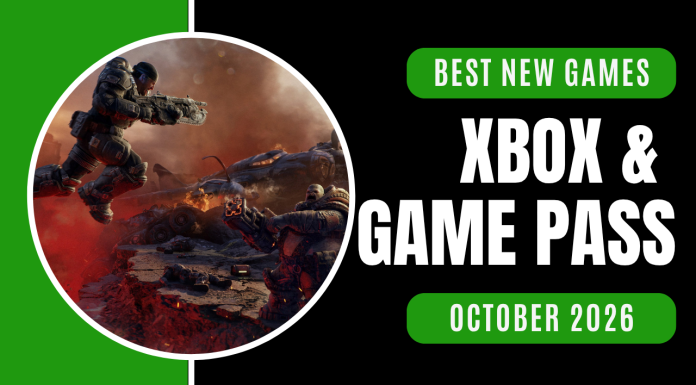
Services such as Xbox Game Pass and PlayStation Plus have helped make the subscription model feel normal. Instead of buying every game separately, players can pay a regular fee and gain access to a larger catalogue.
The idea is similar to what happened with film and music streaming. A monthly payment gives access to a library. The value comes from having plenty of choice available at the same time.
This can encourage experimentation too. Buying a full-price game is a fairly big commitment. There is no guarantee that it will become a favorite. A subscription makes trying something unfamiliar much easier because the extra game does not necessarily involve another full purchase.
The trade-off is that access depends on what is included in the service at the time. Games can move in and out of catalogues. The model is based more on access than permanent ownership. There are regularly new games being added to these services.
Buying a Game Outright Still Has Plenty of Appeal
The classic one-off purchase has not disappeared.
Many players still prefer buying a game outright. They may own it as a physical copy or a digital download. Pay once and get the game.
Physical copies have an extra appeal because there is something tangible to own. A box can sit on a shelf or sometimes be passed on later.
Digital purchases have their own advantages. There is no disc to lose and no need to visit a shop or wait for delivery. The game can usually be downloaded directly to the device.
This means the old idea of buying one game at a time has survived, even if the delivery method has changed.
Big AAA releases still commonly use this model. This is especially true when a new game launches as a major event rather than simply becoming one more title inside a subscription catalogue.
Free-to-Play Games Turn the Model Upside Down
Free-to-play gaming takes a completely different approach.
These games remove the upfront cost and make money later through optional purchases.
That might include character skins, premium items, battle passes, cosmetic upgrades or extra content. The basic game can be downloaded and played without paying. The paid extras sit around the edges.
This model has become enormous because it removes one of the biggest barriers to trying a game.
There is no need to spend money before finding out whether the experience is enjoyable. Cosmetic items are particularly common because they can give characters a different look without necessarily changing the basic gameplay.
Some games also sell premium currencies that can be spent inside the game rather than using ordinary money directly every time. That creates a separate little economy built into the experience.
The way people pay for gaming now depends heavily on what kind of experience is being offered. Players have more choice than ever about how they wish to pay and play.