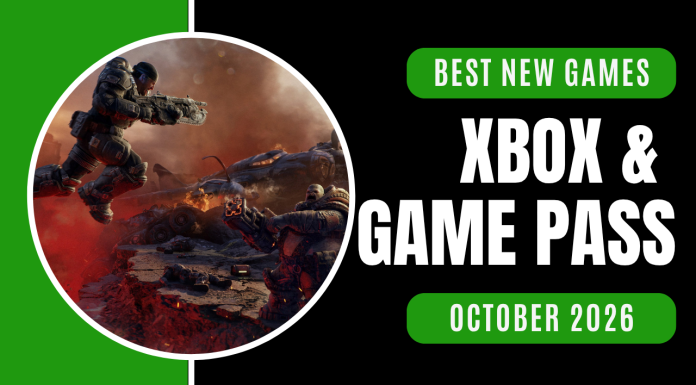


Before, players had to invest in cartridges to play games on their console. Not anymore. Microsoft and other companies all offer subscriptions to gaming libraries. Consumers are lapping up Game Pass and other companies’ subscription options, which provide players with access to a large amount of video games for a monthly fee. This article will look at how gaming subscriptions have changed the way players discover, try and engage with new games and gaming content.
The growth of gaming subscriptions
Just how popular are gaming subscriptions? A quick look at figures Game Pass indicates they’re extremely popular. Around 35 million people subscribe to the service, which means Microsoft has clawed back subscribers after it angered subscribers by raising the price in October 2025. The number of subscribers dropped from 34 to 30 million and forced the tech giant to bring down the price.
The purpose of the subscription model, when it launched in 2017, was to allow players to access new games and try them without having to buy them, all for a reasonable monthly fee. By 2022, 25 million subscribers had signed up for Game Pass, and the model has changed how people enjoy games from a model of ownership to an access one.
Changing the way people discover games
The model has proved popular because players previously had to spend tens of dollars on a single game, creating a high barrier to entry and making it expensive to try unfamiliar titles.
Subscription services have made games more accessible and affordable while reducing the financial risk of trying something new. Players are more willing to explore different titles and no longer feel obliged to keep playing a game simply because they paid for it.
This shift reflects a wider change in how people explore games online, with consumers increasingly expecting plenty of choice and enough information to find the right experience. That can be particularly important when navigating online casinos in regions like Canada where iGaming is on the rise. Each provider has differing game libraries, payment options and bonus condition, so detailed casino reviews, like those available at Casino.ca, make those differences easier to compare before choosing where to play.
The impact of Game Pass and other subscription models on developers and publishers
There’s absolutely no question about the benefits of subscription models for players, but what about developers and publishers? Despite some debate, it’s clear these professionals reap benefits from the models, too.
For one, smaller studios can get their games in front of millions of players because of the low barrier to entry for players. Even despite being alongside major titles, it’s a superb way to grow an audience. Indie developers have also earned billions in royalties from Game Pass, as well as millions from Game Pass licenses.
Not only this, but studios big and small can get their games in front of players who missed the original launch, which allows developers and publishers to expand the game’s lifecycle. Some have even created subscriptions to individual titles, which provide players with the base game plus extras.
Games developers can also bypass the traditional retail model and get their games straight into gaming libraries. As a result, they can experiment with games and focus on the gaming experience, instead of worrying about sales targets.
The future of gaming discovery
Subscription-based gaming is the future, but what further impact could it have on players’ gaming habits and content consumption?
Well, subscribers will become more demanding of games. But as more competitors adopt subscription models in gaming and in other forms of digital entertainment, such as TV streaming, subscribers may demand more from gaming platforms themselves. They may be suffering from subscription fatigue, and platforms will have to work harder to retain them.
One thing that’s clear is that subscribers are price-sensitive (just ask Microsoft!), and they’re thinking carefully about what they subscribe to. Although not abandoning streaming completely, they’re reducing how many services they subscribe to.
This means gaming platforms may look at their subscription models and reevaluate them. Some services may increase in-game options, but many may also work on models that build greater trust with players. This could include transparent billing, more flexible models — such as pausing, pay-as-you-go, or tiers by usage — and even making it easier to cancel, which, ironically, can improve retention: if a user leaves on good terms, there’s more of a chance they’ll come back.
The arrival of Game Pass and other subscription-based gaming models has changed how players experience gaming, transforming them from owners into service subscribers. They’ve increased access to games, making gaming more affordable and allowing players to experiment with new games. Subscription models are the future and will remain important in how players discover games and engage with them. However, the rise of subscription models in competing forms of entertainment will force platforms to work harder to retain their subscribers.